



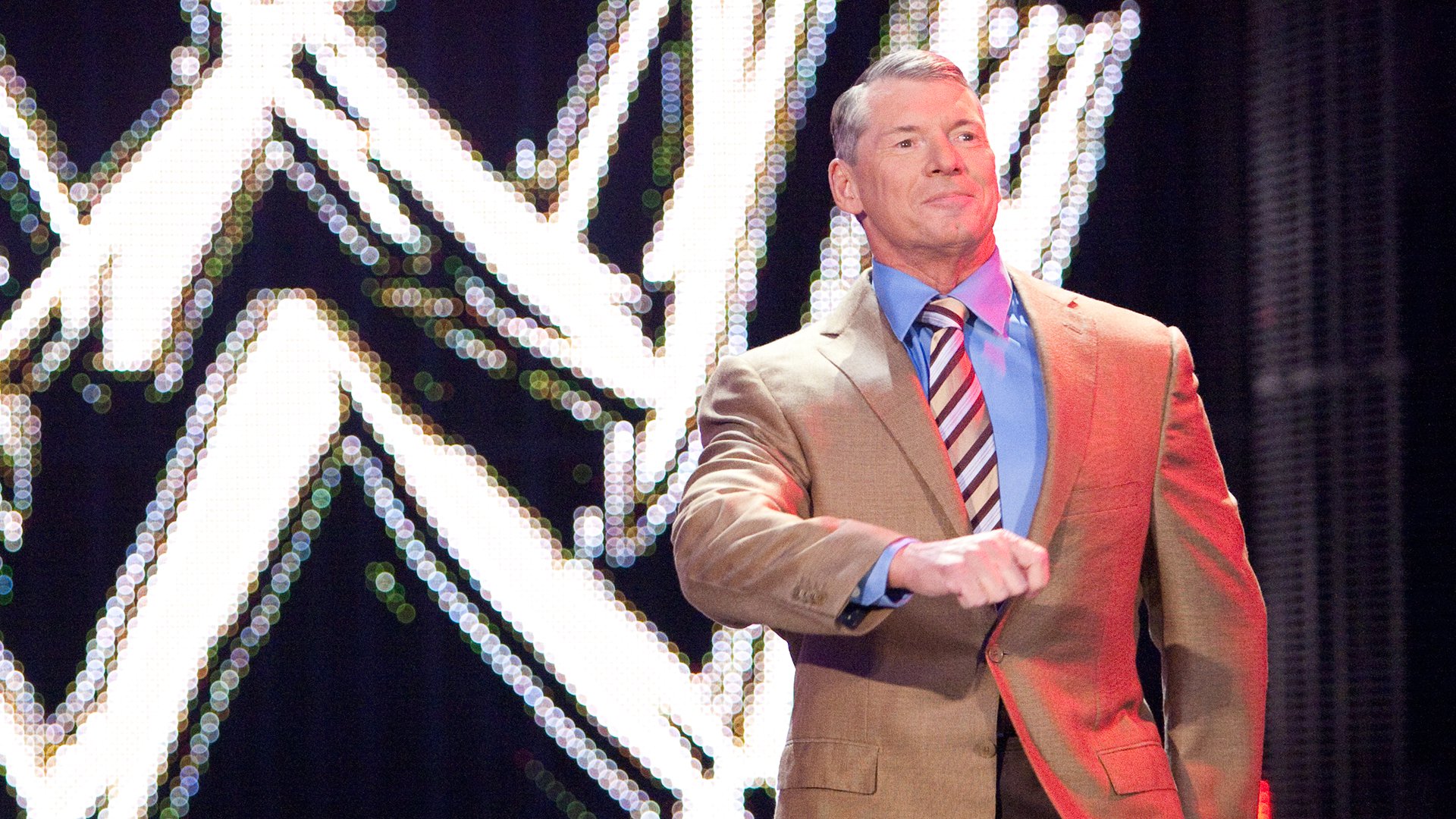
How Vince McMahon Built an Entire WWE Universe
By The Avenue Wire

Professional wrestling didn’t always look like a global entertainment empire. For decades, it was a loose collection of regional promotions, local stars, and handshake agreements. What changed that—permanently—was Vince McMahon.

McMahon didn’t just grow a company. He created a self-contained universe—with heroes, villains, mythology, continuity, and spectacle—long before “cinematic universes” became a corporate strategy.
Where Vince McMahon Came From
Vince McMahon’s path to power wasn’t inherited cleanly. He grew up largely without his father, Vince McMahon Sr., and didn’t meet him until his teenage years. That distance shaped everything that followed.

McMahon later attended East Carolina University, where he studied business. More importantly, he learned how to sell—how to read people, command attention, and push ideas forward with conviction.

Those traits would become central to his leadership style.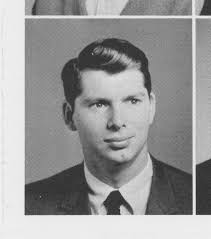
Buying the Business — and Breaking the Rules
Vince McMahon Sr. ran the World Wide Wrestling Federation as part of the National Wrestling Alliance system, which relied on regional territories and mutual respect among promoters.

In 1982, Vince Jr. bought the company from his father.

Then he did the unthinkable.

He ignored the rules that kept wrestling regional. McMahon raided talent from other territories, expanded nationally via cable television, and treated wrestling not as sport—but as entertainment.

The wrestling purists hated it.


That philosophical shift changed everything.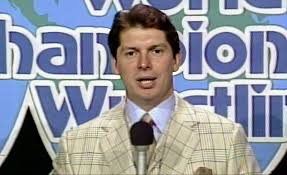
WWE Becomes a Universe
Under McMahon, wrestling stopped being just matches. It became narrative.

Characters mattered as much as championships. Storylines carried across weeks, months, and years. Wrestlers weren’t just athletes—they were archetypes.

This is where the universe took shape.
-
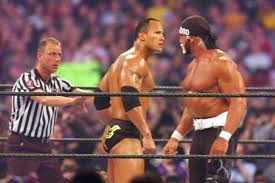
Hulk Hogan became the first true mainstream superhero of wrestling, turning WrestleMania into a cultural event. -
Roddy Piper embodied chaos and unpredictability, proving villains could be just as magnetic as heroes. -
Stone Cold Steve Austin brought rebellion to the forefront during the Attitude Era, reshaping WWE’s tone for a new generation. -
The Rock fused charisma, comedy, and confrontation, crossing seamlessly into mainstream pop culture. -
John Cena carried the company into a PG, globalized era, becoming its most durable ambassador.
Each era felt distinct. Each star felt essential. Together, they formed continuity—the backbone of a universe.
Expansion Beyond Wrestling
McMahon understood something early: wrestling alone wasn’t the ceiling.

WWE expanded into:
-
Pay-per-view mega-events -
International tours -
Merchandise and licensing -
Film and media production -
Streaming with the WWE Network
The appeal wasn’t limited to what happened in the ring. It lived in the rituals around it—the entrances, the catchphrases, the eras people still argue about years later.
The Sale to TKO
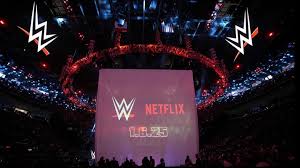
In 2023, WWE merged with UFC under TKO Group Holdings, marking the end of McMahon’s direct control over the company he built due to an unfortunate scandal that rocked the WWE universe.

For many founders, that would have been the end of the story.

For WWE, it wasn’t.
Why WWE Survived Without Vince
The most telling proof of McMahon’s impact is what happened after he stepped away.

WWE didn’t collapse. It stabilized.

That’s because McMahon didn’t just build a product—he built a system:
-
A performance pipeline -
A global talent development model -
A storytelling engine that regenerates stars -
Institutional memory across generations
The universe was already self-sustaining.

Under TKO, WWE continues to thrive because the foundation—the language, the pacing, the myth-making—was already in place.
The Avenue Wire Takeaway
Vince McMahon didn’t invent wrestling.

He reframed it, repackaged it and took it to new heights never before seen,

He took something regional and turned it into global mythology. He treated storytelling as infrastructure. He built a universe that could outlive its creator.

Love him or criticize him, the result is undeniable.

WWE didn’t just entertain millions.
It trained them how to believe in characters, eras, and spectacle.

And once you build a universe that strong, it doesn’t disappear when the founder leaves.

It keeps going.

Nora Becker
September 1, 2015 at 2:39 pmThanks for sharing your ideas in such a straight forward way. Your work is so appreciated worldwide!
Martin Saward
September 1, 2015 at 2:40 pmReally inspirational read, thank you!
Carol Thorn
September 1, 2015 at 2:40 pmAdorably charming! You have an amazing eye for beauty – these photos are so pretty!
admin
September 1, 2015 at 2:58 pmThanks on those nice words, we really appreciate it.