



How Jurassic Park Changed Film
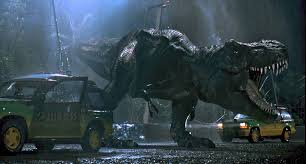
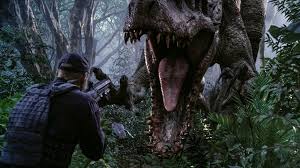
The New Era of the Monster Movie When Jurassic Park premiered in 1993, it did more than introduce audiences to dinosaurs—it redefined what cinema was capable of. Under the direction of Steven Spielberg, the film became a masterclass in creative restraint, technological innovation, and emotional storytelling. Rather than relying solely on the emerging digital effects of the 90's, Spielberg made a deliberate and visionary choice: to blend cutting-edge CGI with meticulously crafted animatronics. This balance grounded the film in physical reality, allowing audiences to feel the weight, texture, and presence of creatures that had never before felt truly alive on screen.The result was not spectacle for spectacle’s sake, but resulted in an immersive, frightening, awe-inspiring experience that captivated audiences around the globe. The animatronics built for Jurassic Park were feats of engineering and artistry. Full-scale Tyrannosaurus rex and Velociraptor models were designed to move, breathe, and react in ways that felt instinctively real. These physical performances allowed actors to engage with something tangible, elevating performances and grounding the tension in authentic interaction. This approach fundamentally changed how filmmakers viewed practical effects. Instead of becoming obsolete in the digital age, animatronics became a powerful creative partner to visual effects — proving that realism often comes from what exists in front of the camera.
A New Creative Frontier
The legacy of Jurassic Park extends far beyond its box office success. It reshaped industry standards, influenced generations of filmmakers, and set a new benchmark for how technology and creativity could coexist. Spielberg’s methodology — using innovation to enhance story rather than overpower it — remains a guiding principle in modern cinema. Today’s most compelling films continue to echo this philosophy: blending practical effects, digital tools, and human storytelling into cohesive, believable worlds. In redefining how the impossible could be made real, Jurassic Park didn’t just change cinema — it expanded the imagination of what filmmakers dared to create.
More than three decades later, Jurassic Parkstill feels timeless and to this day, happens to be my favorite film of all time.Its impact is not rooted in nostalgia, but in the clarity of its creative vision and gritty visuals. By respecting the audience’s intelligence and trusting the power of practical craftsmanship, Spielberg created a film that continues to inspire innovation across film, television, and immersive media. It stands as a reminder that the most enduring breakthroughs in cinema come not from technology alone, but from the thoughtful marriage of imagination, craft, and storytelling discipline. Welcome to Jurassic Park.

Nora Becker
September 8, 2015 at 9:21 amThanks for sharing your ideas in such a straight forward way. Your work is so appreciated worldwide!
Martin Saward
September 8, 2015 at 9:27 amReally inspirational read, thank you!
Carol Thorn
September 8, 2015 at 9:40 amAdorably charming! You have an amazing eye for beauty – these photos are so pretty!
admin
September 8, 2015 at 9:56 amThanks on those nice words, we really appreciate it.